Introduction to Cupping Therapy
Cupping therapy is an ancient healing practice. It uses special cups placed on the skin to create suction. This method has roots in traditional Chinese and Middle Eastern medicine. Today, many people try cupping therapy for pain relief and muscle relaxation. In recent years, it has become popular in physical medicine and rehabilitation. You may have seen athletes with round marks on their backs. These marks often come from cupping therapy sessions.
How Cupping Therapy Works
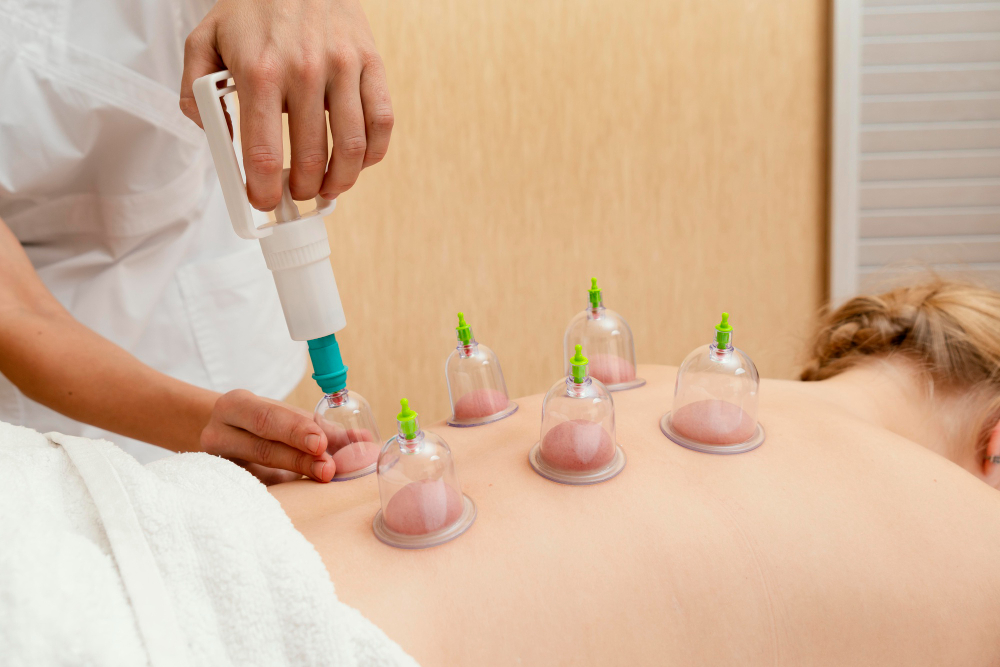
During cupping therapy, a trained therapist places cups on your skin. The cups can be made of glass, bamboo, or silicone. Next, the therapist creates suction inside the cup. This pulls your skin and muscles upward. As a result, blood flow increases in the treated area. Some believe this helps remove toxins and promotes healing. Although more research is needed, many people report feeling better after a session.
Key Benefits of Cupping Therapy
Cupping therapy offers several possible benefits. While not all claims are proven, some are supported by research. According to the National Institutes of Health and other sources, cupping therapy may help with:
For example, a review in the journal PLoS One found that cupping therapy may reduce chronic neck and back pain. However, more large studies are needed to confirm all benefits.
Who Can Benefit from Cupping Therapy?
Many people may benefit from cupping therapy. For instance, athletes often use it to recover from hard workouts. People with chronic pain, such as arthritis or fibromyalgia, may also find relief. In addition, those with muscle tension or stress may feel better after a session. However, cupping therapy is not for everyone. Always talk to a healthcare provider before starting any new treatment.
Safety, Risks, and Precautions
Cupping therapy is generally safe when done by a trained professional. Still, there are some risks and side effects. Common side effects include:
Rarely, more serious problems like burns or infections can occur. Therefore, you should avoid cupping therapy if you have:
Pregnant women and young children should consult a doctor before trying cupping therapy. Always choose a licensed or certified therapist to reduce risks.
How to Get Started with Cupping Therapy
If you are interested in cupping therapy, follow these steps:
Remember, cupping therapy should not replace medical care for serious health problems.
Conclusion and Next Steps
In summary, cupping therapy may offer benefits like pain relief, better circulation, and muscle relaxation. While many people find it helpful, it is important to use it safely. Always consult a qualified physiotherapist or healthcare provider to determine if cupping therapy is right for you.